To prepare your 2026 business tax return accurately, bring your prior-year return, a year-end profit and loss statement and balance sheet, bank and credit card statements, payroll reports, 1099s and W-2s you issued or received, records of equipment purchases, mileage logs, and proof of estimated tax payments. Bringing complete, organized records the first time saves days of back-and-forth, reduces errors, and helps your preparer find every deduction you qualify for.
What Business Documents Does a Tax Preparer Need?
Start with the core financial records:
- Profit and loss statement and balance sheet for the full year
- Bank and credit card statements for every business account
- Reconciliation reports showing your accounts match your books
- Loan statements showing interest paid
- Prior-year tax return, so your preparer can check carryovers and consistency
Reports are only as good as the books behind them. If yours aren’t current, our guide to how to catch up on bookkeeping explains where to begin.
What Payroll and Contractor Records Should You Bring?
- Payroll reports and quarterly payroll tax filings (Forms 941 and 940)
- W-2 and W-3 copies for your employees
- 1099-NEC copies and the W-9 for each contractor you paid
- 1099-K or 1099-NEC forms you received as income
Remember that the 1099 threshold for 2026 payments is now $2,000. Our 1099 threshold guide explains who still needs a form.
What Records Support Your Deductions?
Deductions need documentation. Gather:
- Receipts or invoices for major expenses
- Equipment and vehicle purchase records, including dates placed in service
- Mileage logs showing date, destination, purpose, and miles
- Home office details, including square footage
- Insurance, licensing, and professional fee statements
Our small business tax deductions guide shows which expenses are worth tracking.
What Tax Payments and Filings Should You Bring?
- Dates and amounts of every estimated tax payment made in 2026
- Florida sales tax returns and confirmations, if you collect sales tax
- Florida reemployment tax filings
- Florida annual report confirmation for your LLC or corporation
- Entity documents, such as your EIN letter and operating agreement
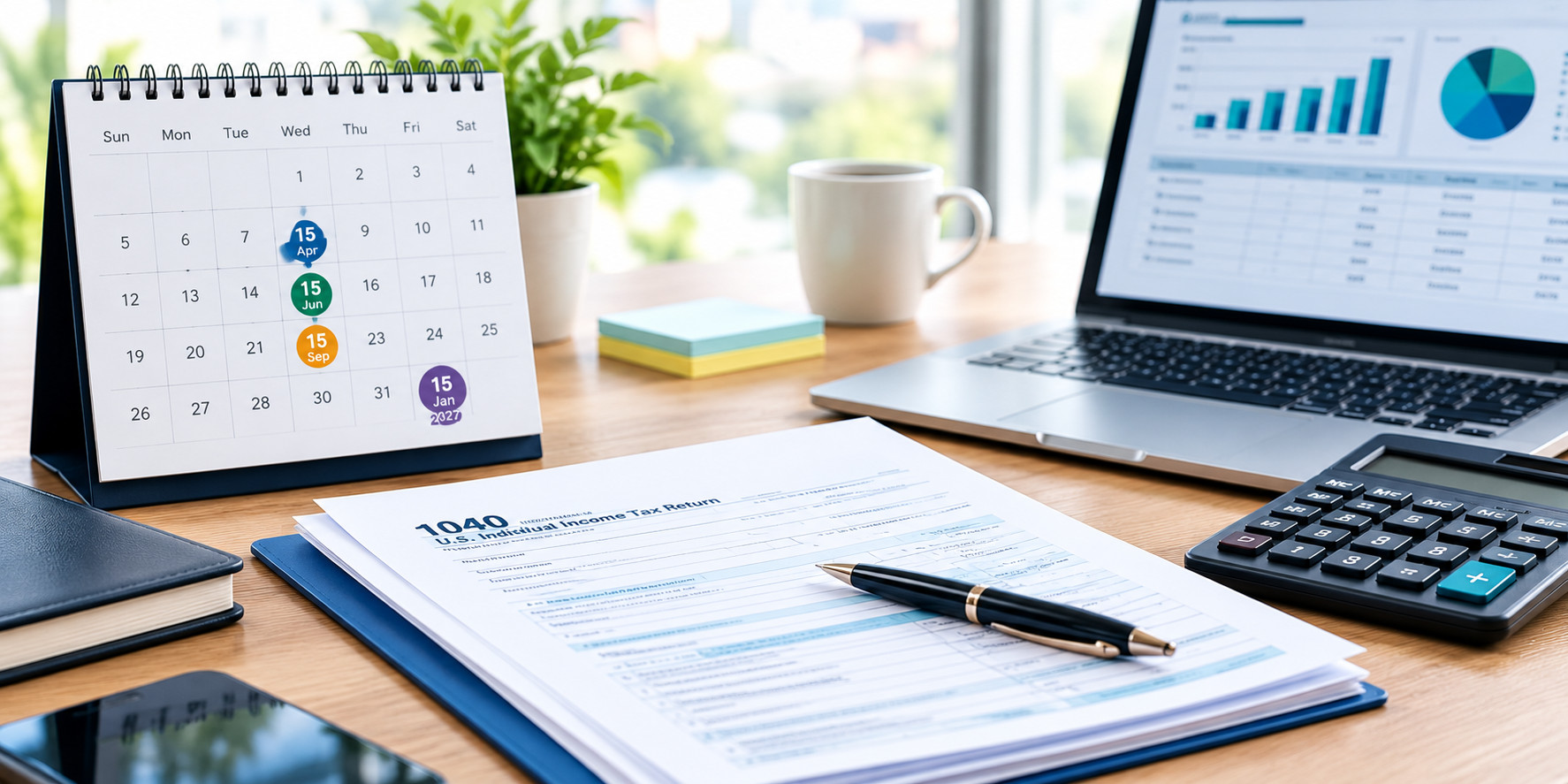
Deadlines for these are in our small business tax calendar for 2027.
How Do You Organize Everything Before the Meeting?
- Reconcile every account through December 31
- Clear uncategorized transactions
- Create one digital folder for each category above
- Write a short list of questions and unusual events, such as a large purchase, new hire, or business structure change
Our year-end bookkeeping checklist walks through the whole process.
Frequently Asked Questions
What documents does a tax preparer need for a small business? Prior-year return, profit and loss statement, balance sheet, bank statements, payroll reports, 1099s and W-2s, and receipts for major deductions.
When should I send my documents? As early as possible after year-end. Early submission leaves time to fix problems before filing deadlines.
What if I’m missing receipts? Bring your bank and card statements, which show every payment, and note the business purpose of each expense.
Do I need to bring everything even if I use QuickBooks? Yes. Your preparer should have access to reports and supporting documents, not just the software file.
Get Your Records Tax-Ready
Our monthly bookkeeping services keep your records ready all year, and our Business Tax Preparation team handles the filing. Book a free consultation or visit our homepage.