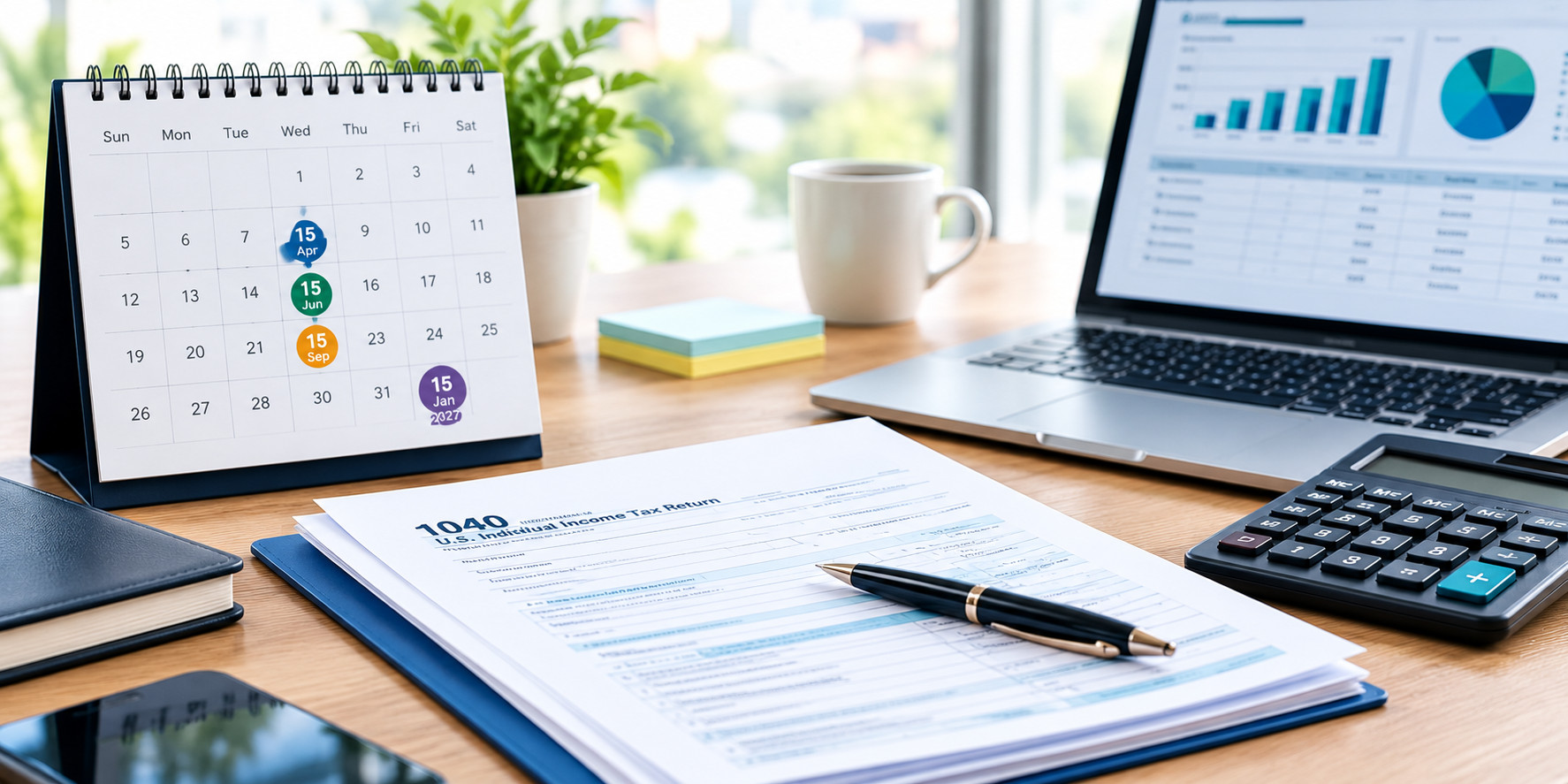
The best year-end tax planning moves for a small business before December 31, 2026 are: reconcile your books and know your real profit, check your estimated tax payments, buy needed equipment while Section 179 and 100% bonus depreciation are available, open and fund a retirement plan, time income and expenses carefully, gather W-9s and payroll records, review your owner pay and entity structure, collect overdue invoices, and confirm your Florida filings are current. Many of these have hard December 31 deadlines, so the work needs to happen in the next few weeks, not in April.
Tax planning is different from tax preparation. Preparation reports what already happened. Planning, which has to happen before the year ends, is what changes the result. This guide walks through 10 practical moves, which deadlines matter, and which common mistakes to avoid, with notes for Florida owners.
What Is Year-End Tax Planning for a Small Business?
Year-end tax planning is the review you do in Q4 to lower your tax bill legally, avoid penalties, and set up the next year well. It involves looking at your profit so far, estimating what you’ll owe, and deciding which actions to take before the calendar flips. Florida has no state personal income tax, so planning here is mostly about federal taxes, which keeps the focus clear.
Move 1: Reconcile Your Books and Know Your Real Profit
Every other decision depends on accurate numbers. Reconcile all accounts, clear uncategorized transactions, and run a year-to-date profit and loss statement. If your books are behind, start with our guide to how to catch up on bookkeeping, and use our year-end bookkeeping checklist to finish the close. Our P&L guide explains what to look for.
Move 2: Check Your Estimated Tax Payments
Compare what you’ve paid so far against what you’re likely to owe. The final 2026 estimated payment is due January 15, 2027. Paying at least 90% of this year’s tax, or 100% of last year’s (110% for higher earners), generally protects you from underpayment penalties. Our quarterly estimated taxes guide explains the safe harbor rules and calculation.
Move 3: Buy Equipment You Actually Need Before December 31
For 2026, Section 179 lets you expense up to $2.56 million of qualifying equipment, and 100% bonus depreciation is permanent. Equipment generally must be bought and placed in service by December 31 to count for 2026. One warning: a deduction reduces your tax, but you still spend the money. Spending a dollar to save thirty cents only makes sense if you needed the purchase anyway. Our OBBBA tax changes guide and tax deductions guide cover the details.
Move 4: Open and Fund a Retirement Plan
Retirement contributions reduce taxable income and build your own savings. Key 2026 figures from IRS Notice 2025-67:
| Plan | 2026 Limit | Key Deadline |
|---|---|---|
| Solo 401(k) employee deferral | $24,500 ($8,000 more if age 50+) | Plan and deferrals by December 31 |
| Solo 401(k) employer contribution | Up to about 20% of net self-employment earnings for sole proprietors | Tax filing deadline, including extensions |
| SEP IRA | Up to 25% of compensation, capped at $72,000 total | Tax filing deadline, including extensions |
| IRA | $7,500 | April 15, 2027 |
The Solo 401(k) deadline catches many owners off guard: the plan generally needs to exist by December 31. SECURE 2.0 offers some flexibility for sole proprietors without employees in the first year, but don’t rely on it without checking. If you have employees, rules change, so confirm with a tax professional.
Move 5: Time Income and Expenses Carefully
If you use the cash method, the timing of invoices and payments can shift income and deductions between years. Delaying a December invoice to January, or paying a bill before December 31, can move amounts across the line. Prepaid expenses are generally deductible if the benefit doesn’t extend beyond 12 months, but the rules have limits. Use this to smooth income, not to distort it, and see our guide to cash vs accrual accounting first.
Move 6: Review Contractors and Collect W-9s
For 2026 payments, the 1099-NEC threshold is $2,000. Total what you paid each contractor, collect missing W-9s, and confirm names and tax IDs. Our 1099 threshold guide explains the change, and our 1099 vs W-2 guide helps you spot misclassified workers.
Move 7: Get Payroll and W-2s Ready
W-2s for 2026 are due February 1, 2027. If you have tipped or overtime employees, your payroll system must report qualified tips and the overtime premium separately. Our no tax on tips and overtime guide walks through what to prepare.
Move 8: Review Owner Pay and Your Entity Structure
If you run an S-corporation, confirm your salary is reasonable, since the IRS expects owner-employees to be paid fairly before taking distributions. If you’re an LLC owner with growing profit, review whether an S-corp election makes sense. Our LLC vs S-corp taxes guide explains the trade-offs. Entity changes need planning, so start the conversation now.
Move 9: Collect Overdue Invoices and Review Receivables
Unpaid invoices strain cash right when estimated taxes, payroll, and year-end costs hit. Follow up now, and use the strategies in our guide on how to get paid faster. Also review your cash position with our cash flow management guide.
Move 10: Confirm Your Florida Filings Are Current
Make sure sales tax returns are filed through the latest period, reemployment tax is up to date, and your LLC annual report is on your calendar, since the window opens January 1. Our Florida sales tax filing guide and 2027 tax calendar list the dates.
What Mistakes Should You Avoid?
- Buying equipment only for the deduction
- Missing the Solo 401(k) setup deadline
- Waiting until April when most options have expired
- Ignoring cash flow while chasing deductions
- Skipping reconciliation, which makes every number unreliable
- Assuming last year’s strategy still applies after the OBBBA changes
Do You Need Help With Tax Planning?
If you’re unsure which moves apply to you, a short review of your numbers is the fastest way to find out. Our Tax Planning Services help Sanford and Central Florida owners decide before December 31, our monthly bookkeeping services keep the numbers current, and our Business Tax Preparation team handles the filing. You can also browse our full range of services.
For the official 2026 limits, see IRS Notice 2025-67, and for business expenses, see IRS Publication 535.
Frequently Asked Questions
What is year-end tax planning for small business? It’s a review before December 31 to estimate your tax, make timing and purchase decisions, fund retirement plans, and prepare filings so you lower your tax bill legally and avoid penalties.
What should small businesses do before December 31? Reconcile books, check estimated payments, review equipment purchases, fund a retirement plan, review contractor and payroll records, and confirm Florida filings are current.
When is the last 2026 estimated tax payment due? January 15, 2027.
What is the Section 179 limit for 2026? $2.56 million, with 100% bonus depreciation also available for qualifying property. Equipment generally must be placed in service by December 31.
What is the 2026 Solo 401(k) contribution limit? The employee deferral limit is $24,500, plus $8,000 if you’re 50 or older, with employer contributions on top, subject to overall limits.
When must I open a Solo 401(k) for 2026? Generally by December 31, 2026, though SECURE 2.0 offers some added flexibility for sole proprietors in their first plan year. Confirm with a tax professional.
Can I open a SEP IRA after year-end? Yes. A SEP IRA can generally be established and funded up to your tax filing deadline, including extensions.
Should I buy equipment just to save taxes? No. A deduction only reduces part of the cost, so buy equipment you need for the business.
Does Florida have a state income tax to plan around? Florida has no state personal income tax, so planning focuses on federal taxes, plus sales tax and reemployment tax for qualifying businesses.
What’s the 1099 threshold for 2026 payments? $2,000 for Form 1099-NEC and most 1099-MISC payments.
When are W-2s and 1099-NECs due for 2026? February 1, 2027, because January 31 falls on a Sunday.
Can a bookkeeper help with year-end tax planning? Yes. A bookkeeper provides the accurate reports planning depends on, and a tax professional uses them to recommend specific moves.
Plan Now, Not in April
Most year-end opportunities expire on December 31. Book a free consultation with our Sanford, FL team to review your numbers before the year closes, or visit our homepage to learn more.